Understanding the Salsa Beat
When you first hear salsa music, it's easy to feel lost. There's so much happening at once — drums, horns, percussion — all weaving together. But here's the thing: once you find the basic beat, everything else falls into place. We're talking about the clave rhythm, which is the heartbeat of salsa. It's not complicated once you understand what you're listening for.
The clave pattern repeats every eight beats, and you'll hear it in the music whether it's played on actual clave sticks or just in how the musicians structure their parts. Most beginners don't realize that salsa doesn't require you to understand every layer of the music. You just need to feel the basic pulse — that's your starting point.
The Basic Step — Your Foundation
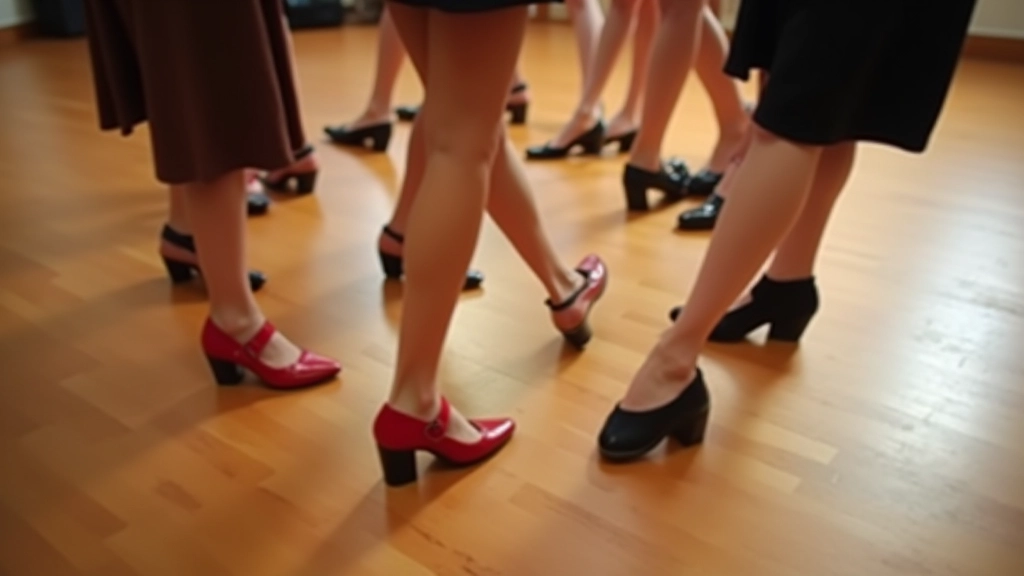
The salsa basic step is exactly what it sounds like — basic. It's a forward-back-together pattern that takes eight counts. Here's what makes it work: you step forward on count one with your left foot, step back on count two with your right foot, bring your feet together on count three. Then you repeat the same pattern going backward.
Most people over 45 worry they'll feel clumsy doing this. But honestly, it's more natural than you'd think. You're not doing anything extreme — it's walking with rhythm. The key is keeping your upper body relaxed while your hips follow naturally. Don't force the movement. When you're moving to music that has a strong beat, your body wants to move anyway.
Pro tip: Practice the basic step without music first. Count it out loud: one, two, three, pause, five, six, seven, pause. Once your feet know the pattern, adding music becomes fun instead of overwhelming.
Partner Connection — The Real Dance
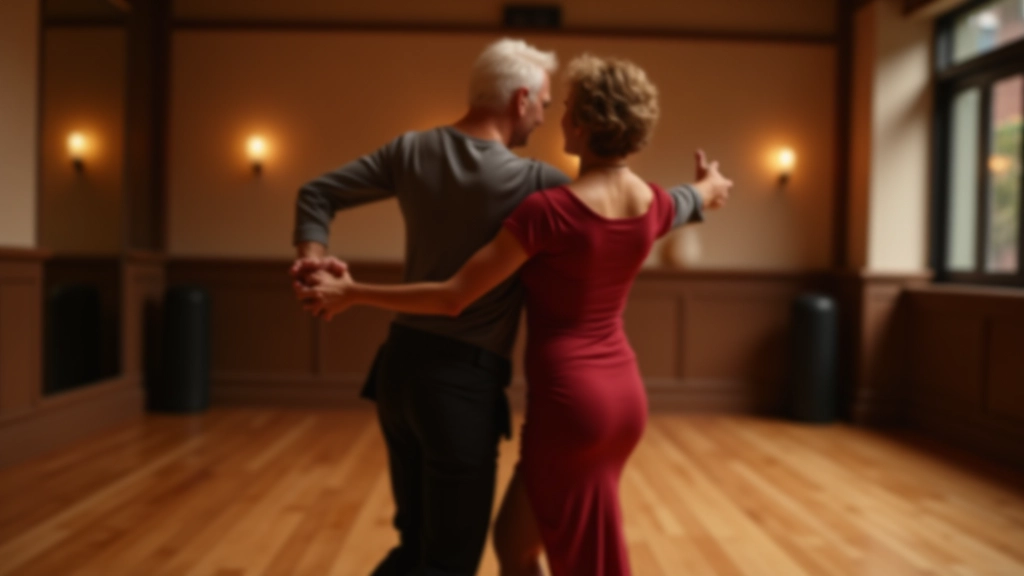
Salsa isn't solo dancing. You're dancing with someone, and that's where the real magic happens. The connection between partners is what transforms the basic step into actual dancing. You're not just moving next to each other — you're communicating through your hands and body tension.
When you're dancing with a partner, the lead-follow dynamic becomes important. If you're the follower, you're not trying to anticipate the next move — you're responding to what your partner is telling you through the frame. If you're the lead, you're giving clear signals without forcing your partner around the floor. It's like having a conversation where one person suggests the direction and the other person responds naturally.
This is why partner dancing is so popular with people over 45. There's no competing, no judgment. You're just two people figuring out how to move together to music. And honestly, that builds real connection pretty quickly.
Key Techniques to Master Early
Body Movement
Your hips move naturally when your weight shifts. You're not rotating your hips intentionally — that happens as a result of stepping. Keep your shoulders relatively still while your lower body does the moving.
Frame and Posture
Stand tall but relaxed. Your frame — the way you hold yourself and connect with your partner — needs to stay consistent. It's not stiff, but it's defined. Think of yourself as a frame that your partner can feel and trust.
Timing and Rhythm
You don't have to hit every single beat in the music. The basic step uses 8 counts out of the 8-count phrase. Some beats are action, some are pause. That's normal and that's how salsa works.
Footwork Clarity
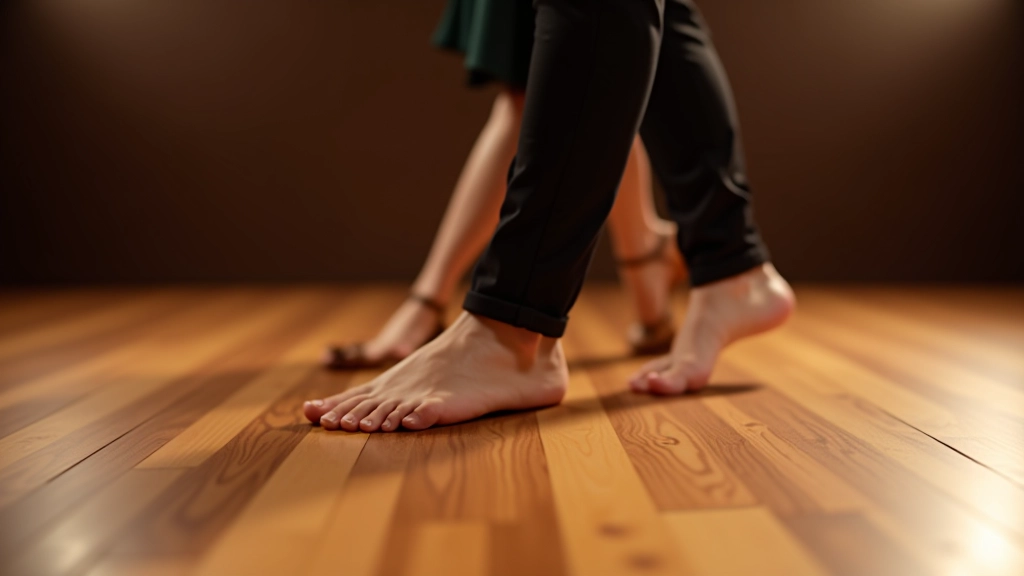
Your feet should be clear and defined. You're not shuffling — you're stepping. Each step should have a start and an end. This clarity is especially important when you're learning, so your brain knows exactly where your feet should be.
Your First 8 Weeks — What to Expect
Don't expect to feel confident immediately. Most people need about 3-4 weeks before the basic step starts feeling natural. That's normal. Your brain is building new neural pathways, your muscles are learning new patterns, and your ear is adjusting to salsa music.
By week six, you'll notice something shift. You'll be able to do the basic step without thinking too hard about it. By week eight, you'll have enough muscle memory that you can start enjoying the music instead of concentrating on your feet. That's when dancing becomes fun instead of work.
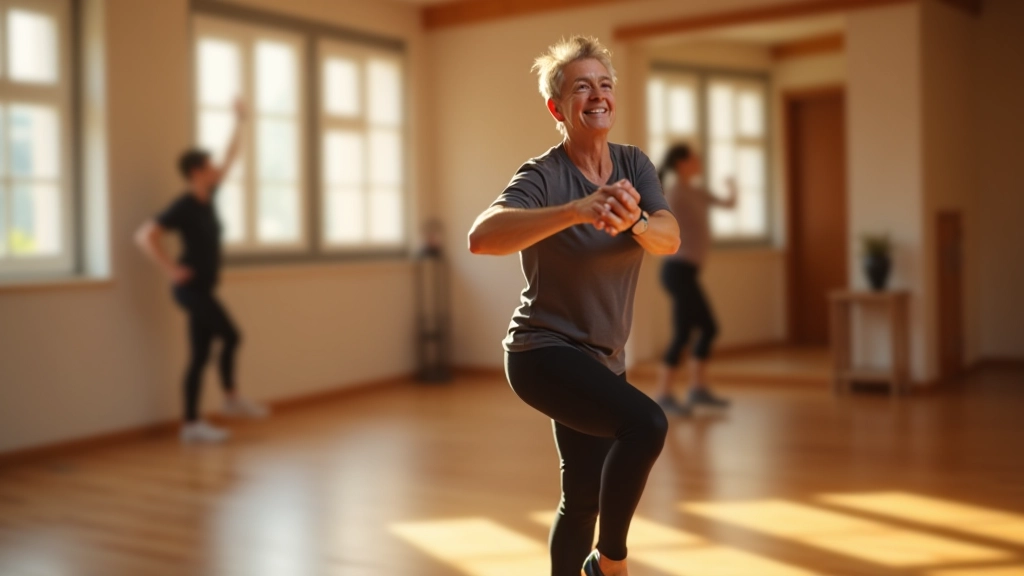
Ready to Start?
Salsa is genuinely one of the most accessible dances for people over 45. You don't need to be flexible, you don't need to be athletic, and you definitely don't need prior dance experience. What you need is music you like and a willingness to move your body for 45 minutes. That's it.
The hardest part isn't learning the steps — it's showing up to that first class. After that? You'll meet people who are exactly where you are. You'll discover that your body can do things you didn't think it could. And you'll have music playing in your head for days afterward, which is honestly the best part.
Want to find a beginner salsa class near you?
Explore Dance Schools in Coimbra & BragaImportant Note
This article provides educational information about salsa fundamentals for beginners over 45. It's not a substitute for in-person instruction with a qualified dance teacher. Every person has different physical capabilities and limitations. Before starting any new physical activity, especially if you have existing health concerns, consult with your healthcare provider. A certified dance instructor can assess your individual needs and adapt techniques to ensure safe and effective learning.