
It's Not Just About Movement
Dancing after 45 feels different than it did at 25. You're not chasing perfection or trying to impress anyone. You're there because it makes you feel alive. That's the real magic.
When you start learning bachata or salsa in your 50s, 60s, or beyond, something shifts. The music connects with you differently. Your body remembers rhythm in ways you didn't expect. And the people around you — they're not judging. They're in the same boat, learning together, sometimes stumbling, always laughing.
Most people think dancing is about looking good or being young. That's not what we see in our studios across Coimbra and Braga. We see adults who discovered that movement, music, and community can completely reshape how you experience your week. It's not vanity. It's vitality.
The Confidence Thing Is Real
Here's what nobody tells you about learning to dance after 45: your confidence grows faster than your skills. And that's the whole point.
The first time you nail a basic step — that moment when your feet and the music finally agree — something clicks. You've done something you weren't sure you could do. That feeling carries into everything else. You stand differently. You talk differently. You believe in yourself more.
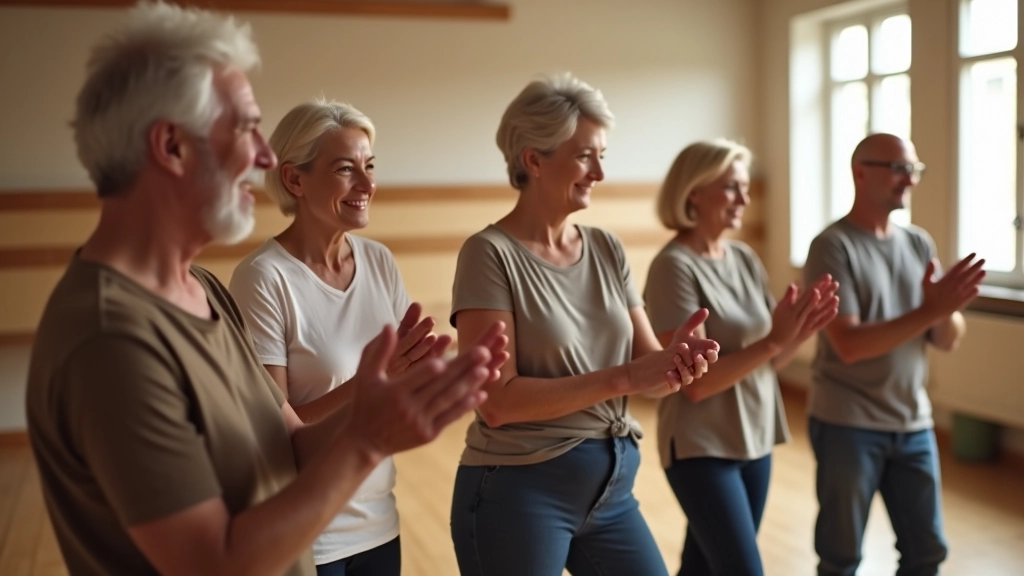
We've watched it happen hundreds of times. Someone walks in nervous, thinking they're too old, too stiff, too out of practice. Eight weeks later, they're leading or following with ease. They're making new friends. They're asking about the next level class. That's not about becoming a great dancer. That's about becoming someone who believes in their own capability again.
You'll Actually Make Friends
Not the "nod at the gym" kind of acquaintances. Real friendships. The kind where you're texting each other about whether you're coming to Thursday's class, grabbing coffee after sessions, and eventually planning trips together.
Social dance creates genuine connection because you're literally partnering with people. You're trusting them with your balance. You're counting the same beat together. You're laughing when someone messes up. That builds bonds quickly.
Plus, everyone's there for the same reason — they want to learn and have fun. There's no competition, no judgment. Just people your age discovering that life after 45 doesn't mean slowing down. It means finding what makes you feel young again.
Your Body Responds Better Than You'd Think
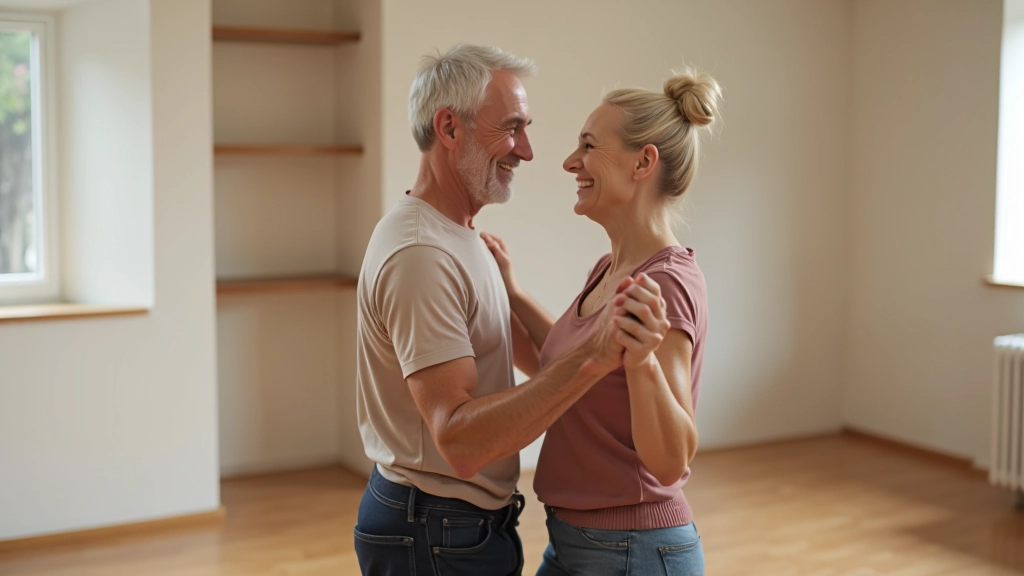
You might think your body's past the point of real change. It's not. Dance is one of the few activities that engages everything at once — balance, strength, coordination, flexibility. And you're building it while having fun, not grinding away on a machine.
Most beginners notice improvements within 3-4 weeks. Better posture. More energy. Sleep that's actually restful. A sense of physical capability you thought you'd lost. That's not because dance is magic. It's because you're moving consistently, you're engaged, and your brain is working alongside your body.
The rhythm also helps. Your nervous system loves patterns. Music and movement together calm you down while energizing you. That's not an exaggeration — it's how your brain works. You'll feel less stressed, more focused, more present.
Getting Started Is Simpler Than You Think
You don't need special clothes. You don't need previous experience. You don't need a partner yet. Most studios in Coimbra and Braga have beginner classes that rotate partners, so you're never stuck with the same person. You learn faster that way anyway — you pick up different techniques from different partners.
Pick a class that fits your schedule. Show up. Listen to the instructor. Move at your own pace. That's it. The first session will feel awkward. The second one less so. By week three or four, you'll stop thinking about your feet and just dance.
Choose a studio that's focused on beginners. Look for teachers who explain the why behind movements, not just the how. Ask other students what they think. A good learning environment makes all the difference between quitting after two weeks and becoming someone who can't imagine life without dance class.
The Real Change
Dancing after 45 isn't about becoming a performer or looking a certain way. It's about discovering that your body still has things to teach you. That your mind still wants to learn. That your social life can get better, not quieter, as you get older.
You'll have weeks where everything feels hard. Your knees will complain. You'll wonder if you're too old. And then you'll nail that turn you've been working on, or you'll make someone laugh during class, or you'll realize you've been going three times a week without thinking about it as exercise. That's when you know it's taken hold.
The change isn't physical alone. It's psychological. It's social. It's the quiet confidence that comes from trying something new and succeeding. It's the rhythm that follows you out of the studio and into your everyday life.
If you're considering it — wondering if you're too old, too stiff, too out of practice — stop wondering. You're exactly the right age. You're exactly who should be learning to dance right now. The question isn't whether you can do it. It's how soon you'll start.
About This Article
This article is educational and informational. It's based on observations from dance instruction and learner experiences in Portugal. Individual results vary — physical changes depend on consistency, health factors, and personal effort. If you have health concerns or existing conditions, consult a healthcare professional before starting any new physical activity. Dance classes should always be taught by qualified instructors in safe, appropriate environments.