Bachata starts simple. It's just a few weight shifts to a steady rhythm — no fancy footwork required on day one. But there's more happening beneath the surface. We're going to break down the basic steps, the music, and what partnership actually means before you ever step into a studio.
The good news? If you can walk and count to four, you can dance bachata. Most people pick up the basic step in their first session. The real learning happens over weeks and months as your body gets used to moving with another person.
Understanding the Basic Step
The bachata basic step is what everything else builds on. You're moving forward and back in a simple pattern: step forward on count one, hold on two, step back on three, hold on four. That's it. Add a little hip movement and you've got the foundation.
The rhythm stays consistent throughout the song. Unlike some dances where patterns change constantly, bachata gives you something stable to return to. This makes it perfect for beginners — you're not juggling multiple patterns at once. Step, pause, step, pause. Your feet are doing basic movements while your hips add the style.
The Count: Most bachata songs sit at 120 beats per minute. That's roughly one step per second. Your brain catches on quickly because the tempo feels natural — not too fast, not too slow.

The Partnership Frame
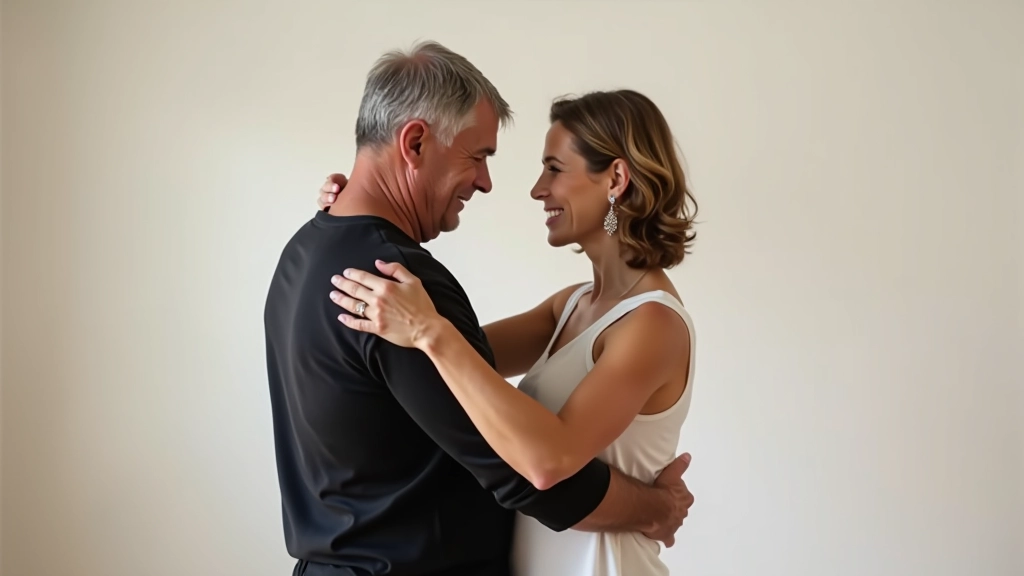
Bachata isn't a solo dance. You're dancing with someone, and that changes everything. Your partner's arms are around you or holding your hand. You're moving together in the same space. This requires attention — not just to the music, but to the person you're with.
The closed position is where most beginners start. One person (traditionally the leader) holds the other person's right hand with their left, while their right hand rests on the follower's back. It feels awkward at first. Your personal space is gone. But within a few sessions, it becomes natural. You're no longer thinking about arm placement — you're just dancing.
Connection matters more than perfection. Your partner needs to feel what you're doing through your frame. If you're tense, they'll be tense. If you're relaxed and moving smoothly, they can follow easily. This is what separates dancing with someone from just moving near someone.
Reading the Music
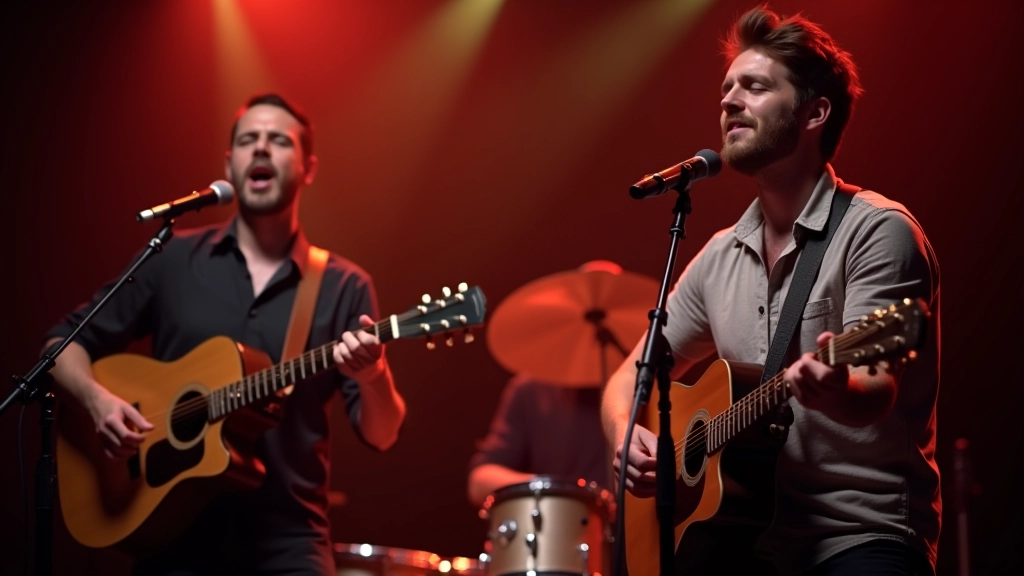
Bachata music has a distinctive sound. The guitar is prominent — you'll hear steady strumming underneath the vocals. There's also a steady drum beat keeping the pulse. Listen to a few songs and you'll start recognizing the rhythm. It's one of the easier styles to hear because the beat is so clear.
Don't worry about counting beats in the beginning. Your instructor will help you find the one — that's the downbeat where your first step lands. Once you've done it a few times, your body remembers. You won't be mentally counting anymore. The music just tells you when to move.
Listen Before You Dance
Spend a minute just hearing the song before you start. Let the rhythm sink in. This small habit makes everything easier.
Feel the Pulse
Tap your foot or sway slightly. Get your body responding to the music before you try the actual steps.
What to Expect in Your First Classes
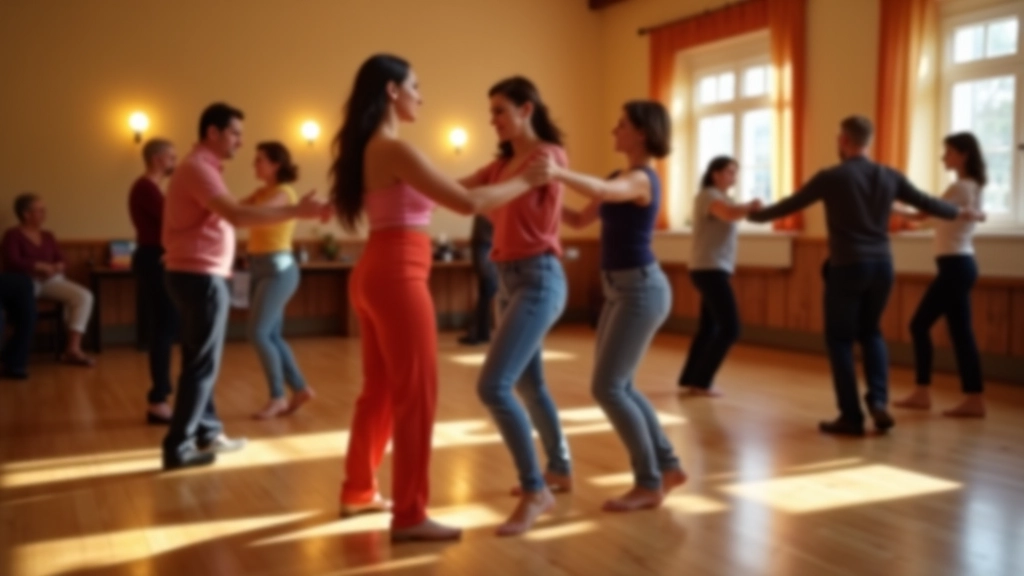
Your first class will probably feel overwhelming. There's a lot of information coming at you. The instructor is calling out steps. Your partner is moving. The music is playing. Your brain is trying to process everything at once. This is completely normal. By week three, you'll notice you're not thinking as hard about it.
Most beginner classes run 60 to 90 minutes. You'll spend the first 10-15 minutes warming up and learning the basic step individually. Then you'll practice with a partner. In the last 20 minutes, you might put on a full song and dance from start to finish. It won't be perfect, but you'll get a sense of what it feels like.
Bring comfortable clothes and shoes with a flexible sole. You don't need expensive dance shoes right away — sneakers work fine while you're learning. Stay hydrated. And don't be self-conscious. Everyone in that room started exactly where you are.
Getting Started
Bachata isn't complicated. It's a dance built on simple movements, good music, and connecting with another person. You'll learn the basic step quickly. The real journey is developing feel — understanding how to move smoothly, how to listen to your partner, how to interpret the music with your body.
The first step is finding a class and showing up. Everything else follows from that. You'll make mistakes. Your feet won't cooperate at first. Your arms will feel stiff. None of that matters. What matters is that you're moving, you're learning, and you're part of a community that loves to dance. That's where it all begins.
Disclaimer: This article is informational only and based on general dance education practices. Individual instruction may vary. Always consult with a qualified dance instructor for personalized guidance on technique, form, and safety. If you have any physical limitations or health concerns, discuss them with your instructor before beginning dance classes.