
First Steps in Bachata — What Beginners Should Know
Bachata starts simple. We break down the basic steps, rhythm, and partnership before you ever set foot in a studio.
Read GuideLearn bachata and salsa from beginner-friendly instructors in Coimbra and Braga. No experience needed.
Dancing offers real benefits for your body, mind, and social life.
Regular dancing strengthens your core and improves proprioception. You'll notice steadier movement in daily life.
Dance classes bring you into a community of people at similar life stages. You're not just learning steps — you're making real friendships.
Learning choreography and rhythm patterns keeps your brain engaged. Most people find they sleep better after dancing.
As you improve, you'll feel more comfortable on the dance floor. It carries over — people stand taller and move with more assurance.
Each dance has its own character. Here's what you should know.
Bachata moves to a slower beat with a distinctive rhythm pattern. The basic step is just a side-to-side motion. You'll learn the frame — how to stand with your partner — and simple turns. Most people feel comfortable dancing bachata after 4-5 classes.
Learning to lead and follow is essential. Don't worry about being perfect. Partners rotate during class so you get used to different people and styles.
Salsa is quicker and uses more hip motion. The rhythm takes time to hear, but once it clicks, you'll recognize it everywhere.
You'll arrive, meet the instructor, and spend 5 minutes on basics — posture, frame, and how to hold your partner's hand. Then you'll learn the fundamental step. The instructor shows it slowly, you practice it, and within 20 minutes you're moving. Most classes run 90 minutes. You don't need special shoes or clothing — just comfortable clothes you can move in. Bring water.
This is how progression typically works when you start learning social dance.
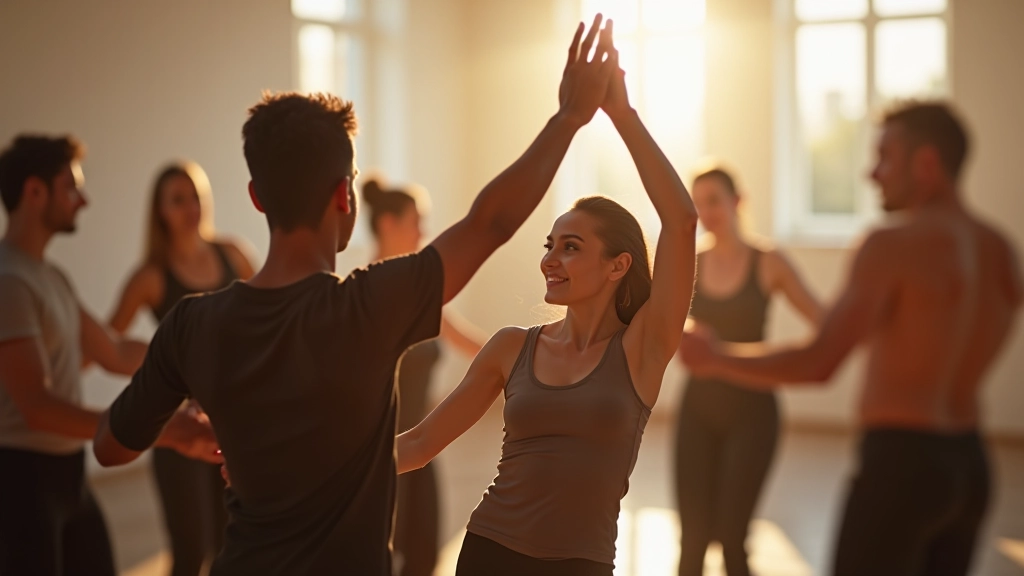
You'll learn the fundamental footwork. For bachata it's a side-together-side motion. For salsa it's a forward-back pattern. Your instructor breaks it down into small parts. You repeat it over and over. By week two you're doing it without thinking much about it.
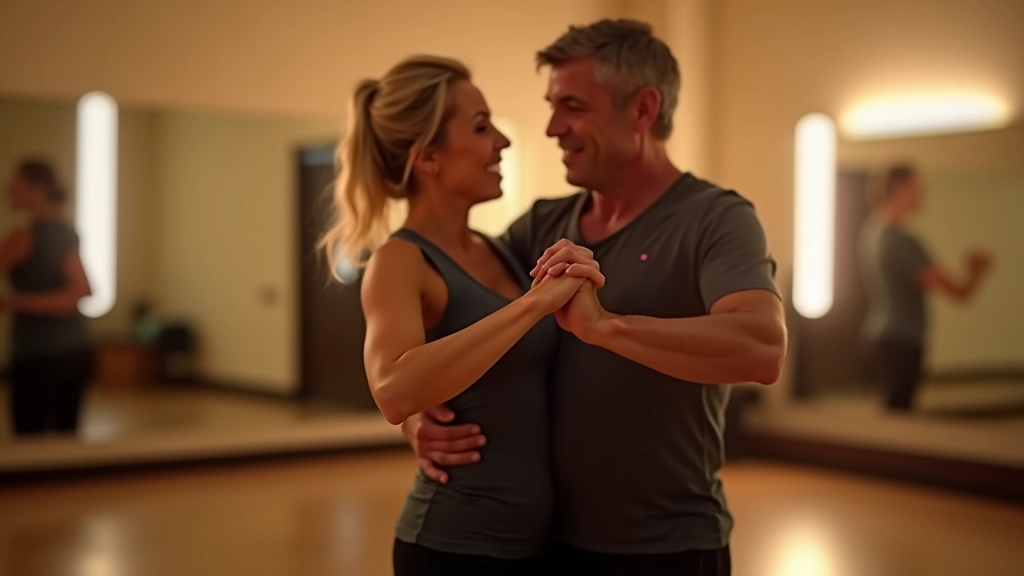
Now you combine your step with a partner's. You'll learn about lead and follow — who initiates the movement and who responds. This feels awkward at first. That's normal. After a few weeks you'll start to feel the connection.
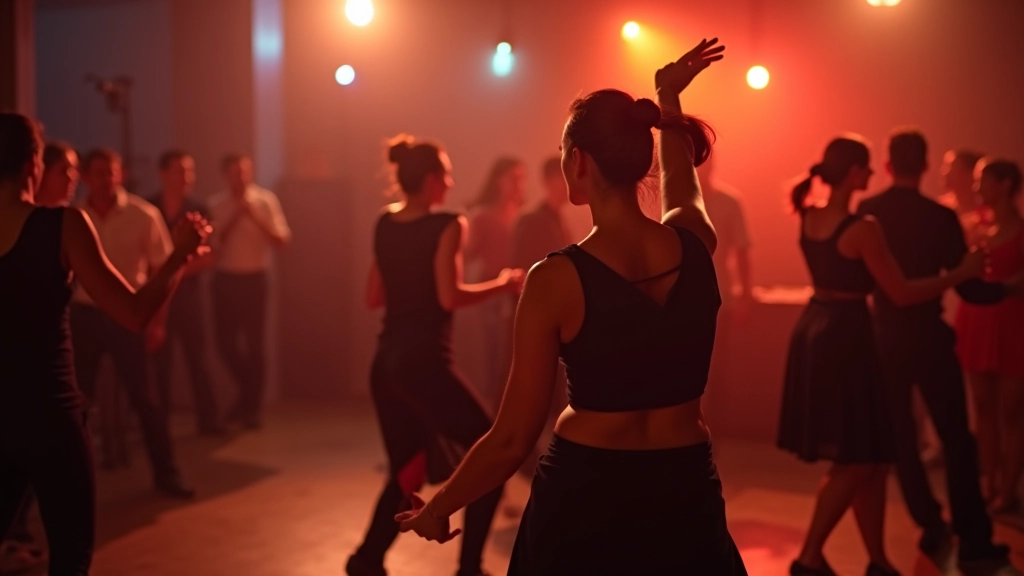
Once the basic step is solid, instructors teach simple turns. You'll add rhythm variations and styling. By week eight, you've got enough tools to actually dance a full song at a social event.
Real feedback from people who've taken the leap.
"I was nervous before my first class honestly. But the instructor didn't make it awkward and everyone there was a beginner like me. That made all the difference. Now I actually look forward to Tuesday nights."

"My daughter convinced me to try salsa. I thought I was too old and too stiff. Three months in and I'm dancing at the social events. My knees feel stronger and I've made friends I actually want to spend time with outside of dance."
"I'd done ballroom dancing 40 years ago. Starting bachata felt like remembering something my body knew. The rhythm is different but the partnership feeling came back. It's been wonderful."
What to look for when evaluating studios in Coimbra and Braga.
Look for beginner classes with fewer than 15 people. You want the instructor to see your technique and correct your frame. Large classes mean less individual attention.
Ask how long the instructor has been teaching. Do they have experience with older beginners? Good teachers modify their approach based on the group's needs.
Find a time that works for you — morning, afternoon, or evening. Consistency matters more than frequency. Two sessions a week you actually attend beats four sessions you skip.
Good schools host monthly social dances where you practice what you've learned. These events build community and give you a goal to work toward.
Visit before signing up. Check for mirrors, sprung flooring (easier on joints), adequate space, and a welcoming atmosphere. The studio should feel clean and safe.
Most schools offer one free class to try. Take advantage of this. You'll get a feel for the teaching style and the people in the class.
How beginner-focused instruction actually works.
Your instructor was a beginner once too. The best teachers remember what that felt like — the self-consciousness, the worry about making mistakes, the feeling that everyone else knows something you don't. Good beginner classes acknowledge this and create space for it.
Dancing correctly from the start prevents injury and makes learning faster. A good instructor spends time on posture, frame, and basic movement before adding complexity. This foundation matters whether you dance for six months or six years.
Social dance isn't about being the best dancer in the room. It's about connecting with your partner and enjoying the music together. Classes that emphasize this create a different energy — less competitive, more collaborative.
Your body learns rhythm and movement at any age. You might progress differently than a 25-year-old, but you'll progress. Some of the best dancers started after 45. Age brings patience and musicality that younger dancers sometimes lack.
Detailed guides for getting started with bachata and salsa in Portugal.
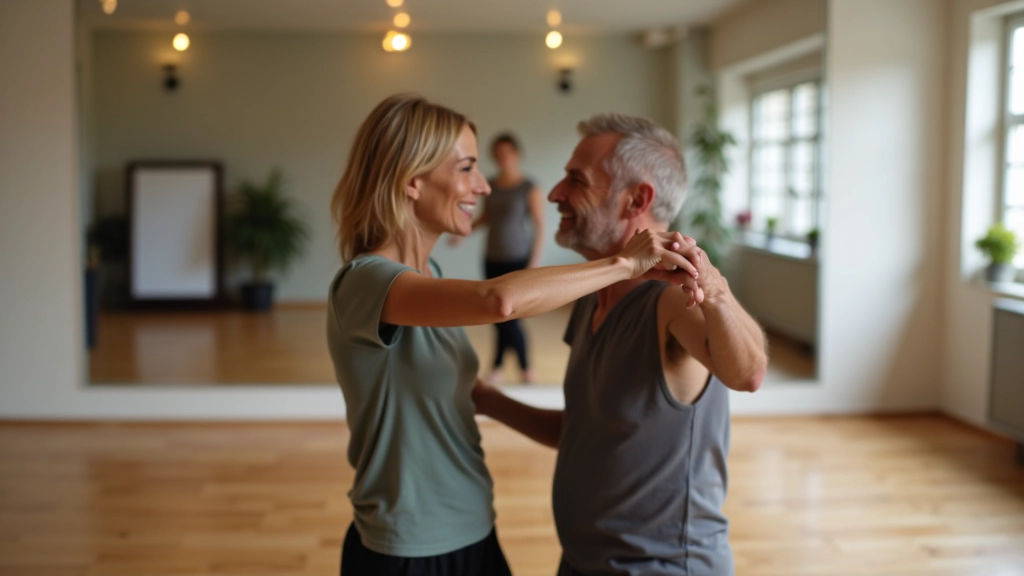
Bachata starts simple. We break down the basic steps, rhythm, and partnership before you ever set foot in a studio.
Read Guide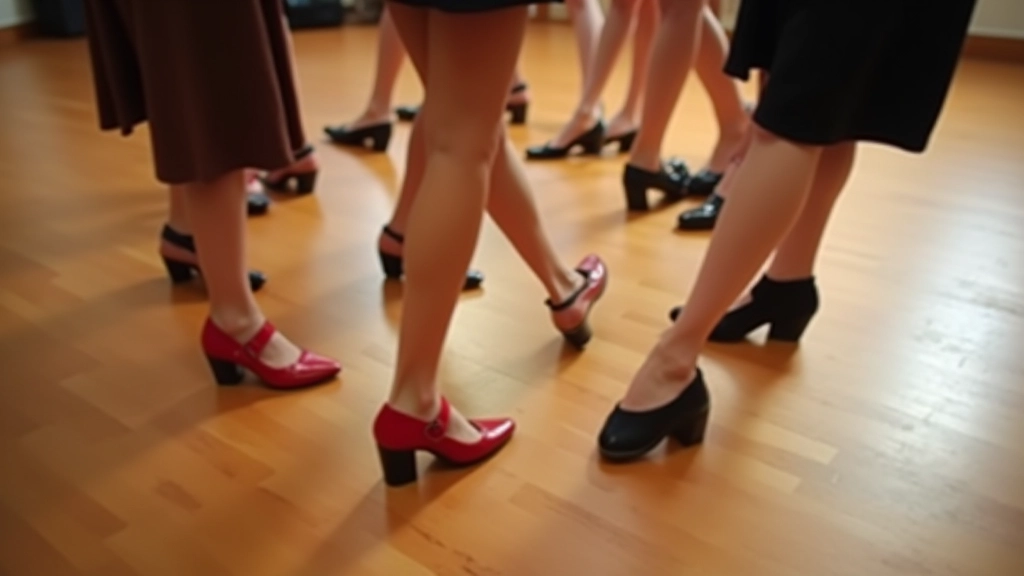
Salsa rhythm feels complicated until it clicks. We explain the beat, basic patterns, and how to dance with confidence.
Read Guide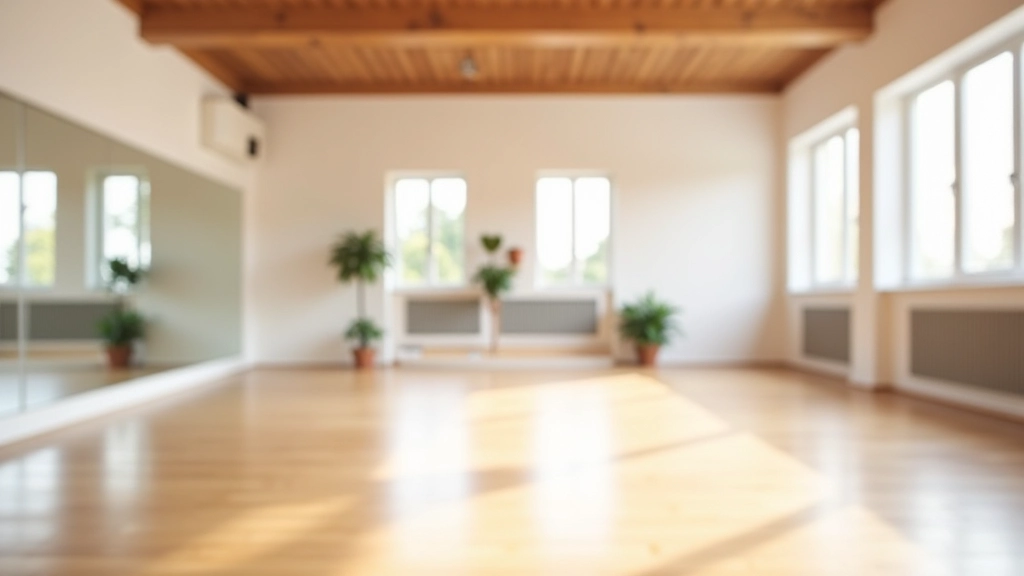
Not all studios are created equal. Here's what to look for when evaluating beginner-friendly schools in these cities.
Read Guide